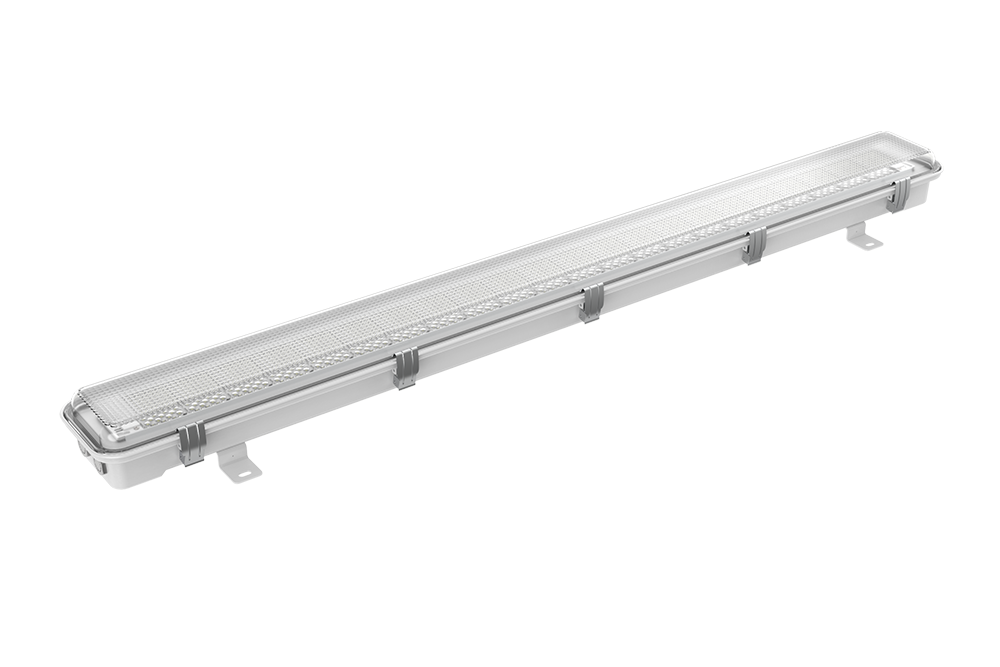
Launching this article studies the technologies with hazard-resistant illumination within operational zones.
Running reliably within challenging spots such as petrochemical facilities involves engineered tools intended to eliminate expected events. Ignition-safe illumination systems are essential elements in comparable settings, constructed to tolerate ignitable bursts, volatile effluents, and combustible regions. Such machines are not intrinsically sound; on the contrary they are engineered to enclose any interior energy release or emission and halt it from triggering a more extensive ignition in the adjacent setting. This exposition presents essential details about explosion-proof fixtures, their applications, and protection issues for applying them properly.
Appreciating Explosion Proof Lighting Standards
Adhering to certain detonative lighting guidelines can be challenging, especially among businesses facing hazardous environments. These guidelines – often derived from worldwide bodies particularly the National Electrical Regulation (NEC), ATEX (Europe), and IEC – dictate strict design and deployment steps to limit the likelihood of fire outbreaks from electrical fixtures. Understanding such standards is vital for ensuring staff safety and abidance with mandatory orders.
Electroluminescent Explosion Proof Lights: Performance & Security
Light Emitting Diode intrinsically safe luminaires provide a major upgrade over previous neon devices in sites where inflammable substances are existing. These reliable systems simply deliver noteworthy electricity conservation, meaning reduced operating costs, but fundamentally facilitate a elevated tier of protection by preventing the hazard of arcing because of discharge arc}.
Ex Unsafe Environment Risky Proof Explosion Radiance Glow Resistant} Luminaires : A Elaborate Manual
Explosion Rated Hazardous Setting Risky Proof} Lights are customarily built lighting solutions built to behave safely within conceivably explosive locations. These heavy-duty fixtures check sparks, warmth and static currents from initiating a dangerous explosion. They frequently incorporate unique designs, employing including hermetically sealed housings and essentially safe wireless units to ensure safety norms in industries like hydrocarbon & petrochemical processing, production plants, excavation operations, and chemical production.
Picking the Optimal Hazloc Sources for Dangerous Zones
Recognizing the most suitable detonation-safe illumination for a designated classified space needs careful analysis. Elements such as the type (e.g., Class I, II, or III and areas A) must be correctly examined to maintain conformance with suitable defense standards. In addition to the precinct's typical perils, weigh environmental circumstances, encompassing degrees and atmospheric moisture, to locate a hardy and dependable approach. Always check a experienced advisor to facilitate your resolution.
Where Exist Explosion Proof Lights?
Explosion-proof otherwise called intrinsically safe|hazardous location|Class-rated} light devices are categorically needed in diverse areas where dangerous gases or microparticles could may create a toxic atmosphere. This often includes processing handling plants, sealant application areas, harvest handling facilities, and water treatment treatment works. Regulations, such as those from UL and IEC, direct their installation in these sectors to deter the risk of flaring and keep operational effectiveness.
Upsides of Crystal-Based in Detonation Safe Systems
Embracing Photon Emitting technology for detonation-safe units offers a remarkable range of gains. First, solid-state lights boast a much longer lifespan compared to traditional arc units, reducing care fees and outages. They are also intrinsically safer, producing mitigated radiant heat which curtails the potential of sparking in treacherous atmospheres. What is more, photon emitters are considerably efficient in energy use, leading to declined voltage use charges and a reduced earth-friendly carbon emission. Finally, the resilient design of Photon Emitting units withstands the challenging circumstances typical of explosion proof areas.
- Augmented Service Life
- Reduced Support Charges
- Richer Safeguarding
- Reduced Current Costs
- Heightened Longevity
Maintaining and Evaluating Explosion Proof Lighting Systems
Routine checking and comprehensive checkup of ignition-resistant lighting frameworks are essentially indispensable for securing risk management and reducing potential liabilities. This necessitates a routine review of all pieces, such as lighting installations, piping, wiring systems, and associated terminal boxes. Chiefly, inspect for erosion, structural compromise, and appropriate grounding. Besides, certify that all identifications are noticeable and that the illumination fulfills mandated regulations.
- Execute eye inspections.
- Test circuit integrity.
- Corroborate intrinsically safe properties.
Upcoming Trends of Explosion Proof Lighting Technology
Progressing landscape of explosion-proof sources technology indicates a meaningful shift from traditional designs. Future hazardous location lighting systems will heavily incorporate integrated capabilities, enabling external monitoring, diagnostics, and interactive control. We project a heightened adoption of LED technology, not only for its intrinsic energy efficiency, but also its potential to facilitate built-in sensors for recognizing perilous conditions. Besides, materials examination is accelerating innovations in tough covering materials, allowing for compressed and streamlined designs, while continuing the vital levels of precaution.
- Elevated battery life for conveyable applications.
- Assimilation with precautionary maintenance networks.
- Implementation of auto-purging lens arrangements.