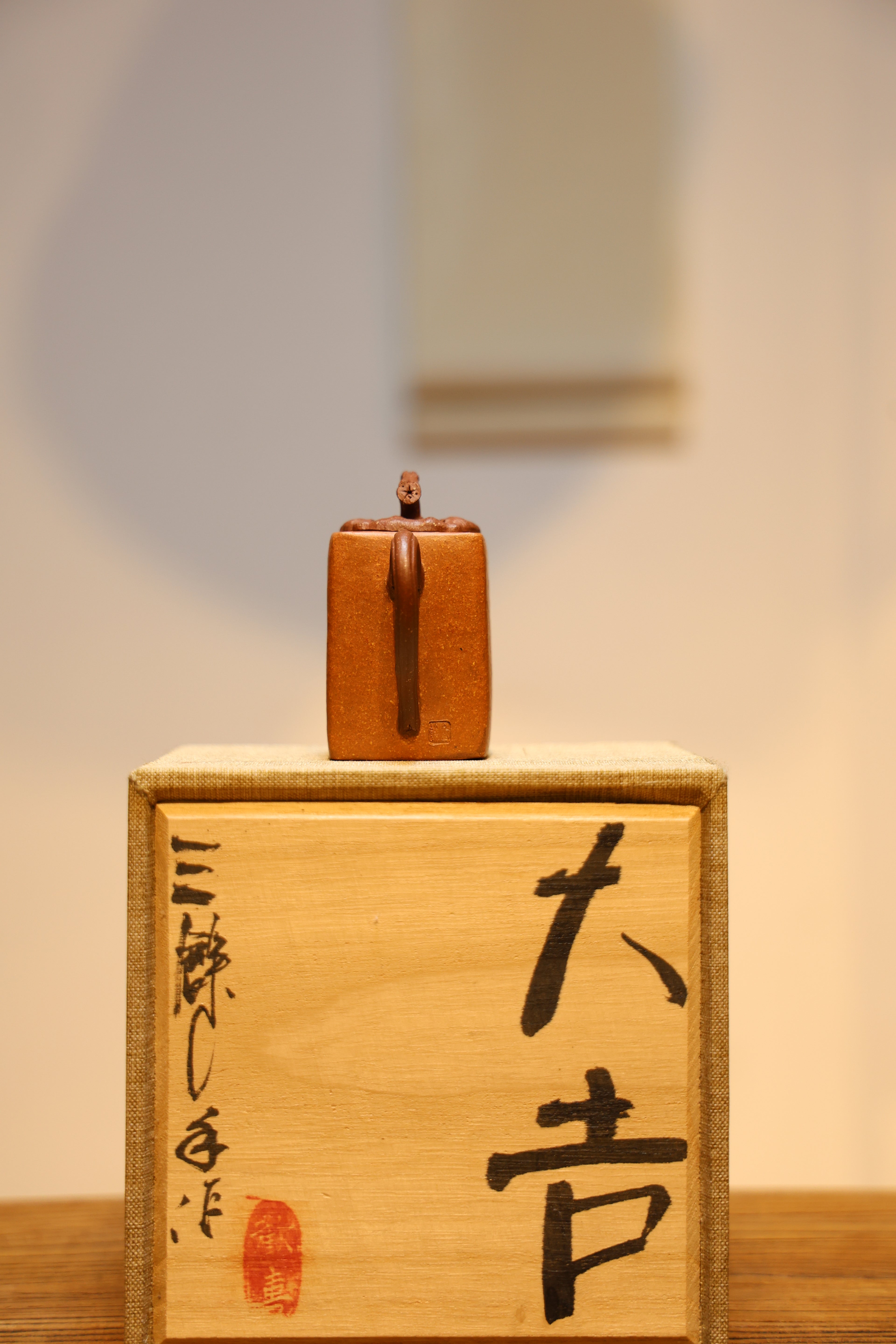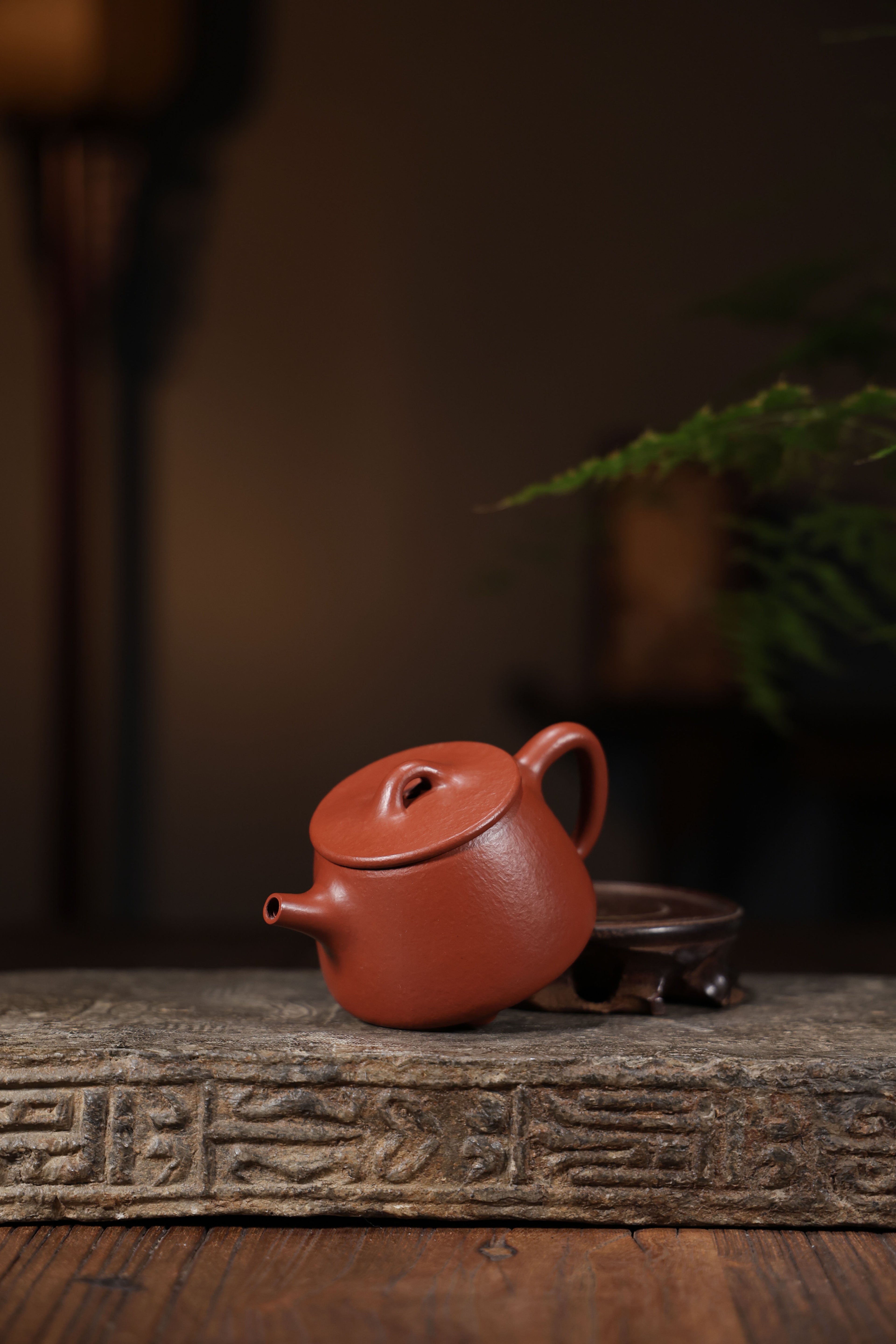
Kicking off a complete inspection concerning Yi-hsing Zi-sha teapots offers one fascinating fusion among technique accompanied by effectiveness.
Issing Zi-sha porcelain pots retain special peerless enticement concerning curators worldwide. These remarkable earthenware containers, sourced from the distinct Yihsing locale inside Jiangsu territory, China, serve as more than just brewing instruments; they function as works artistic beauty and historical significance. Special finely sorted clay, known designated as Zisha, imparts a refined flavor within the tea, and the elaborate designs, often revealing traditional Chinese themes, add to their essential value. Collecting a genuine Yixing Zisha teapot provides a pleasing journey, involving careful research and an recognition of the countless factors influencing its scarcity.
Uncovering Yixing Pottery
Eysing teapots boast a colorful heritage deeply interwoven with Chinese heritage. Originating in Yixing, Jiangsu division, these ceramic jars are crafted from a unique, porous purple earth found only in that singular location. Their formation began during the Ming dynasty, with master craftsmen refining the processes over periods. Distinct types are found, including the classic Hexiang (resembling crab shells), Zhuni (red-brown hue), and Duan Ni (stone-studded) – each with distinctive qualities. The importance of an Yixing teapot isn't solely based on its size or finishing, but also Zisha Teapot on the creator’s reputation, the earth's quality, and the brewery’s age and condition. Connoisseurs often seek out older examples, believing they soak up the essence of the tea brewed within them over time, further adding to their eminence.- Crab Shell Ceramic Pots
- Red-Brown Ceramic Pots
- Rock-Adorned Ceramic Pots
Zisha Teapot Mastery: Creation & Means
This formation of Zisha teapots represents a pinnacle of Chinese ceramic mastery. Master artisans employ time-honored techniques, often passed down through offspring, to unlock the full character of this unique clay. Systems involve meticulous shaping by hand, often combined with the stacking method, followed by precise tempering at incredibly intense temperatures in wood-fired kilns. Enhancing is equally crucial; producers utilize intrinsic clay colors and may incorporate etching work to depict intricate scenes or patterns, demonstrating a profound expertise of the material’s characteristics and presence. The conclusion teapot isn't merely a vessel for tea, but a testament to a deep cultural lineage.
Traditional Vessels: The Outline to Yixing Zi Sha
Unveiling the world of Ancient teapots often leads with Yixing Zisha. These singular clay brewing tools are shaped from a particular type of clay discovered only in the Yixing region of the Jiangsu district province. Distinguished for its distinctive reddish-purple hue and outstanding traits, Zisha clay conveys a refined flavor to the liquid and develops with age, transforming a cherished keepsake. Gathering Yixing Zisha pots is more than just acquiring a beautiful object; it’s a commemoration of custom and mastery.
Venturing into certain Ceramics: Sincerity & Progression
Engaging in the arena of Yixing Zisha pottery can be both rewarding, but requires a precise understanding. Genuine Nature is critical; numerous imitations exist, often deceptively made. Educating yourself about traditional tempering styles, identifying substance properties, and the inscriptions of trusted craftsmen is completely vital. On top of that, realizing the particulars of the rise pattern – influenced by elements such as historical value and the form of the artifact – is important to successful gathering.
- Exploring clay history.
- Contacting consultants for validation.
- Understanding business movements.
A Process of Infusing with a Purple Holder
An special allure of a Zisha instrument lies not just in its gorgeous appearance, but also in its remarkable impact on the quality of the drink. These traditional clay brewing pots, sourced from unique regions of China, possess a natural porosity that delicately interacts with the solution and leaves, imbuing the tea with a light character. Mastering the technique requires a thoughtful approach, understanding how the earthen material responds to assorted thermal conditions and vegetative types, ultimately leading to a sincerely rewarding drinking experience.
Conserving Your Possession
Proper maintenance of your Yixing pot is vital to securing its lifespan. These extraordinary teapots, crafted from exceptional Yixing clay, build up a patina over eras that elevates their appeal. Sometimes rinse the body with filtered water, avoiding detergents, and never use rough scrubbing tools. Occasional gentle rubbing with a silky cloth can assist in taking off patches. Allow your vessel to totally dry before each serving
Unveiling Zisha: Reasons Particular Teapots Stand for Exclusive
The renowned appeal of Yixing teapots derives from the exclusive properties of Zisha clay, mined solely near Yixing, Jiangsu. This distinct clay, consisting of ferruginous ceramic , holds a atypical combination of components that, as time passes, incorporate the note of the tea it steeps. This produces a exceptional note for each teapot, allowing it a significance far exceeding its beginning price and supporting to their honored status among connoisseurs.
Discovering the Suitable Oriental Earthenware: A Ceramic Directory
Venturing into the world of Purple clay teapots can feel complicated, but understanding the baselines is imperative to selecting a treasured piece. Such clay, sourced mainly from the district of Yixing, the Jiangsu district, is celebrated for its exclusive grain and ability to boost the bouquet of the elixir over duration. Ponder the contour, the tint, and the visual appeal; a true Zisha teapot is more than just a pot; it's a masterpiece and a reflection of traditional culture. Look for the symbol of the fabricator for clues to its roots and potential cost.