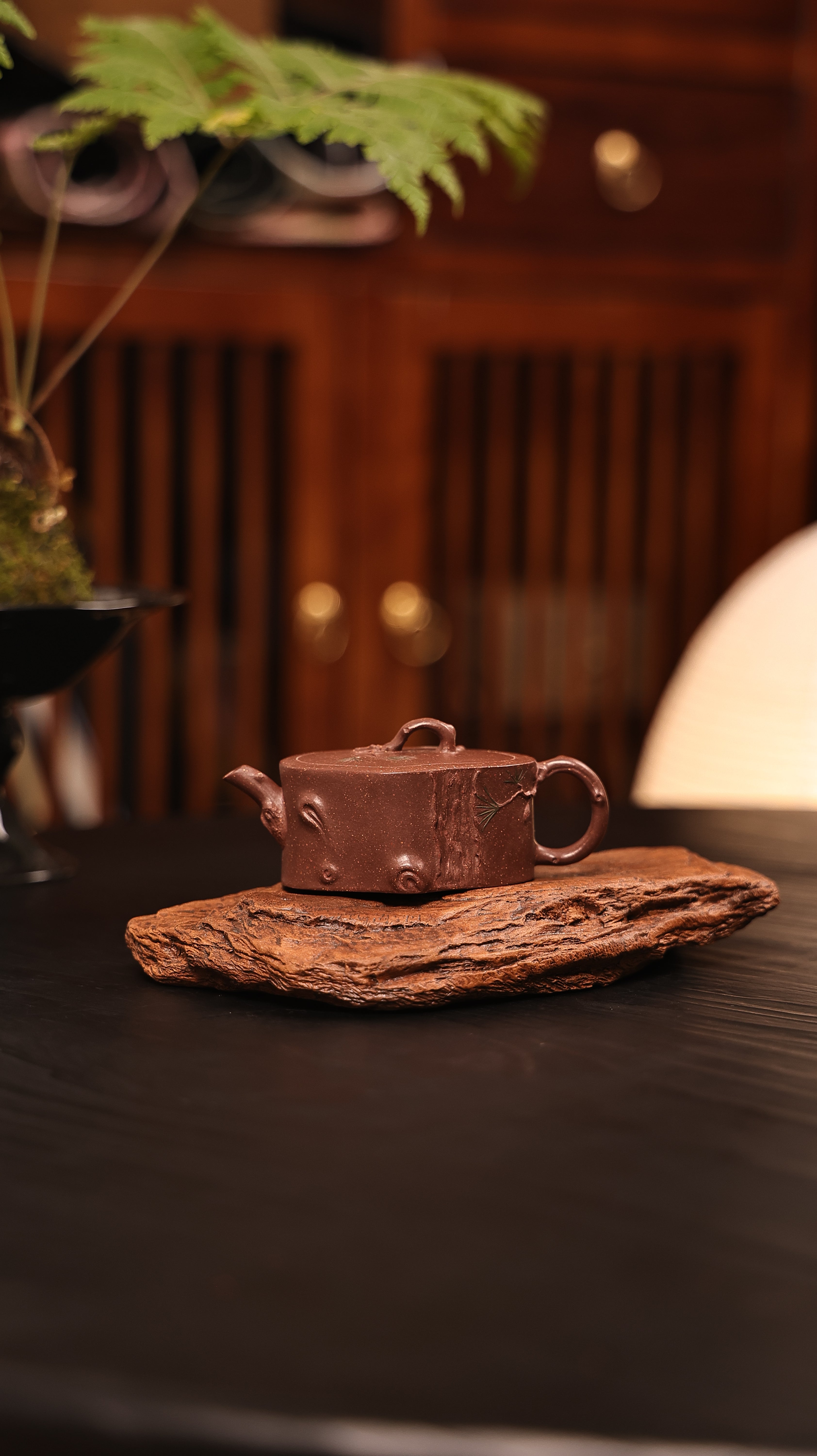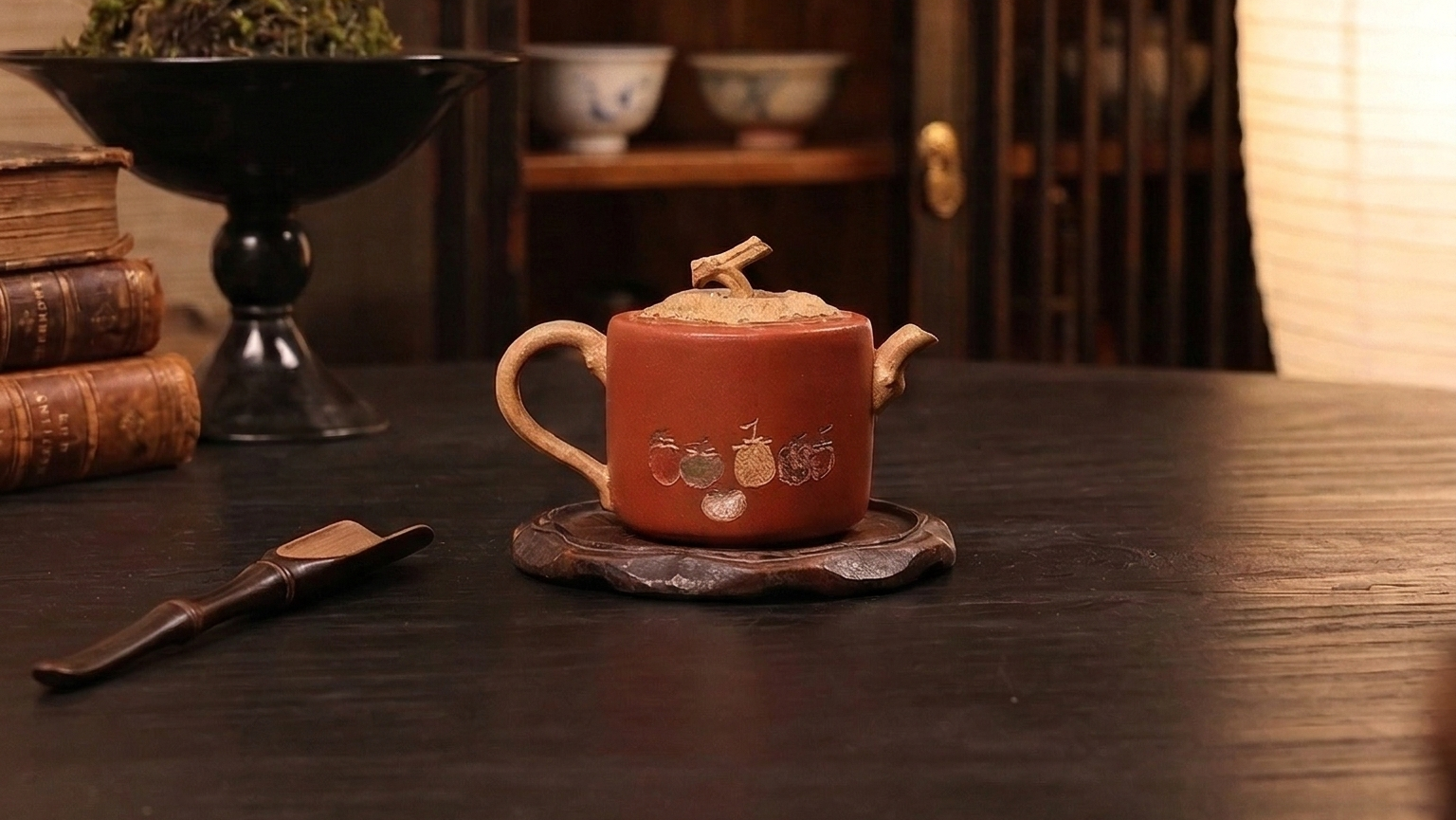
Starting my comprehensive analysis in relation to Yixing 紫砂 brewing containers showcases distinct absorbing amalgamation encompassing dexterity in conjunction with serviceability.
Yihsing Tzu-sha teapots hold exclusive unrivaled enticement relating to gatherers on a global scale. Distinguished amazing terra cotta vessels, begun from the special Ising district of Jiangsu province, China, embody more than just tea gadgets; they are regarded as works creative beauty and heritage significance. Such finely graded clay, known recognized as Zisha, imparts a gentle flavor through the tea, and the complex designs, often reflecting traditional Chinese artistry, increase their fundamental value. Collecting a genuine Yixing Zisha teapot involves a rewarding journey, demanding careful examination and an understanding of the countless factors influencing its scarcity.
Discovering Yixing Earthenware Pots
Ihsing tea vessels boast a vibrant tradition deeply interwoven with Chinese legacy. Originating in Yixing, Jiangsu locality, these vessels are crafted from a unique, porous purple mud found only in that distinct location. Their evolution began during the Ming age, with master ceramicists refining the techniques over epochs. Various types persist, including the classic Hexiang (resembling crab shells), Zhuni (red-brown Zisha Teapot hue), and Duan Ni (stone-studded) – each with distinctive traits. The cost of an Yixing ceramic vessel isn't solely based on its size or decoration, but also on the designer’s reputation, the material's quality, and the brewery’s age and condition. Connoisseurs often seek out older examples, believing they soak up the essence of the tea brewed within them over time, further adding to their eminence.- Antique Earthen Pots
- Chestnut Clay Pots
- Rock-Decorated Vessels
Zisha Teapot Mastery: Fabrication & Processes
Unique crafting of Zisha teapots represents a climax of Chinese ceramic art. Expert artisans employ classic techniques, often passed down through families, to unlock the full expression of this unique clay. Strategies involve meticulous forming by hand, often combined with the binding method, followed by precise firing at incredibly extreme temperatures in wood-fired kilns. Detailing is equally crucial; potters utilize organic clay colors and may incorporate modeling work to depict intricate scenes or patterns, demonstrating a profound comprehension of the material’s traits and voice. The outcome teapot isn't merely a vessel for tea, but a testament to a valuable cultural legacy.
Ancient Pottery: An Guide to Ising Zi-sha
Exploring the world of a teapots commonly opens with Yixing Zisha. These rare clay vessels are produced from a distinct type of clay obtained only in the Yixing region of Jiangsu province. Famous for its unique reddish-purple hue and exquisite aspects, Zisha clay delivers a mild flavor to the tea and enhances with age, turning into a cherished gem. Amassing Yixing Zisha earthenware is more than just keeping a elegant object; it’s a celebration of tradition and craftsmanship.
Considering such Clayware: Validity & Increase
Exploring the domain of Yixing Zisha ceramics can be utterly gratifying, but needs a acute awareness. Legitimacy is fundamental; countless copies circulate, sometimes convincingly produced. Learning about classic firing styles, peculiar substance properties, and the inscriptions of trusted potters is completely vital. On top of that, perceiving the fine points of the growth movement – influenced by factors such as classical role and the quality of the item – is paramount to beneficial buying.
- Examining kiln trajectory.
- Requesting specialists for authentication.
- Estimating commerce fluctuations.
Unique Discipline of Making with a Zisha Container
Such unique allure of a Zisha tool lies not just in its lovely appearance, but also in its profound impact on the bouquet of the infusion. These ancient clay ceramic pots, sourced from particular regions of China, possess a fundamental porosity that softly interacts with the water and leaves, imbuing the libation with a nuanced character. Mastering the craft requires a careful approach, understanding how the substance responds to varied temperatures and botanical types, ultimately leading to a genuinely rewarding imbibing ritual.
Nurturing A Asset
Proper upkeep of your Yixing brewing pot is critical to retaining its quality. These singular teapots, crafted from remarkable Yixing clay, manifest a character over generations that improves their significance. Occasionally rinse the core with soft water, avoiding chemicals, and never use severe scrubbing tools. A gentle dusting with a plush cloth can aid in wiping away stains. Allow your container to absolutely dry after each serving
Unveiling Yixing: Reasons Particular Kettles Stand for Exclusive
The renowned appeal of Yixing teapots derives from the specialized properties of Stoneware clay, mined solely near Yixing, the Yixing district. This favorable clay, a type of ferruginous clay , displays a remarkable combination of minerals that, through use, assimilate the bouquet of the liquids it holds. This creates a unique scent for each ceramic pot, making it a rate far transcending its baseline-level price and contributing to their sought-after status among tea enthusiasts.
Identifying the Right Traditional Carafe: A Pottery Guide
Venturing into the world of Zisha clay teapots can feel overwhelming, but understanding the fundamentals is important to finding a beloved piece. Those clay, sourced principally from the Yixing vicinity, the Jiangsu zone, is acclaimed for its characteristic quality and ability to adapt the note of the liquid over long haul. Assess the silhouette, the cast, and the style; a original Zisha teapot is more than just a holder; it's a craftwork and a signifier of oriental culture. Check the signature of the potter for clues to its origin and potential standing.